
Introduction
Kai is an 8-year-old with Autism Spectrum Disorder (ASD). Every morning, the school bell’s sudden clang makes his heart pound. He grips his backpack, covers his ears, and pleads to go home. Kai isn’t being defiant—he’s anxious. Studies estimate that about 40 % of autistic children also meet criteria for an anxiety disorder (van Steensel et al., 2017). Anxiety can derail learning, limit friendships, and exhaust families.
The good news? Behavioral approaches—Applied Behavior Analysis (ABA), autism-adapted Cognitive-Behavioral Therapy (CBT-A), and Behavior Skills Training (BST)—offer practical, proven tools to calm anxiety and build confidence. This article explains why anxiety looks different in autism, how behavioral methods work, and the step-by-step strategies parents and teachers can start today.
Why Anxiety Is Different for Children on the Autism Spectrum
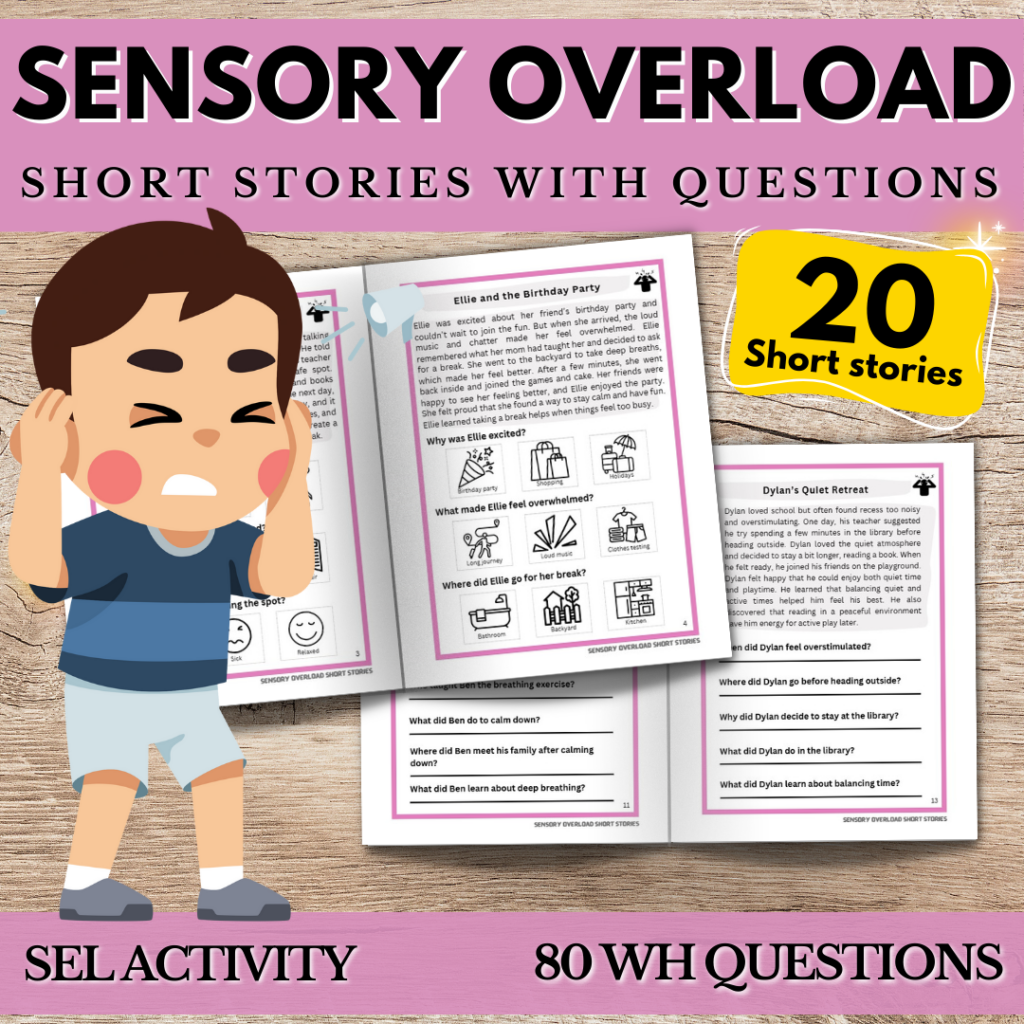
1. Sensory overload
Many autistic brains process sound, light, touch, or crowded spaces more intensely. A humming light fixture or scratchy shirt can act like an alarm bell, triggering fight-or-flight.
2. Social-communication challenges
If reading facial cues feels like decoding a secret language, every group project or recess game becomes a minefield. Misunderstandings add social anxiety on top of sensory stress.
3. Intolerance of uncertainty
Changes in routine—substitute teachers, fire drills, canceled plans—can create extreme worry because predictability brings safety (Boulter et al., 2014).
4. Rigid or repetitive thinking
Autistic children may struggle to shift attention or generate new coping ideas, so once an anxious script starts, it loops.
Understanding these roots keeps us from blaming the child and points us toward skill building rather than punishment.
What We Mean by “Behavioral Approach”
Approach | Core Idea | Autism-Friendly Tweaks |
|---|---|---|
| ABA | Change the environment to change behavior. Use positive reinforcement to grow helpful skills and reduce harmful ones. | Pair words with pictures, keep demands clear, celebrate tiny wins. |
| CBT-A | Thoughts influence feelings; feelings influence actions. Teach children to spot unhelpful thoughts and swap them for realistic ones. | Use visual scales, role-play with puppets, replace abstract talk with concrete examples. |
| BST & Self-Management | New skills stick when learners see, practice, and get feedback. | Video models, “First-Then” boards, and self-checklists make practice fun and concrete. |
Core Behavioral Techniques That Lower Anxiety
- Functional Behavior Assessment (FBA)
- Observe when, where, and with whom anxiety spikes.
- Identify the function (escape, attention, sensory, or tangible).
- Example: Kai’s meltdowns always happen at bell time → trigger = sudden loud sound.
- Systematic Desensitization & Graduated Exposure
- Build a visual fear ladder (e.g., bell sound at 20 %, 50 %, 80 % volume).
- Pair each step with token reinforcement or a favorite activity.
- Move up only when the child reports or shows calm.
- Replacement Behaviors & Coping Strategies
- Deep-pressure squeezes, “5-count” breathing, or weighted lap pads give the body a competing calm signal.
- Social stories explain why and how to use the skill in plain language.
- Positive & Differential Reinforcement
- Catch calm moments: “Kai, you stayed in line even when the bell rang! High five.”
- Use DRO (Differential Reinforcement of Other behavior): reward periods without avoidance behaviors.
- Self-Monitoring Tools
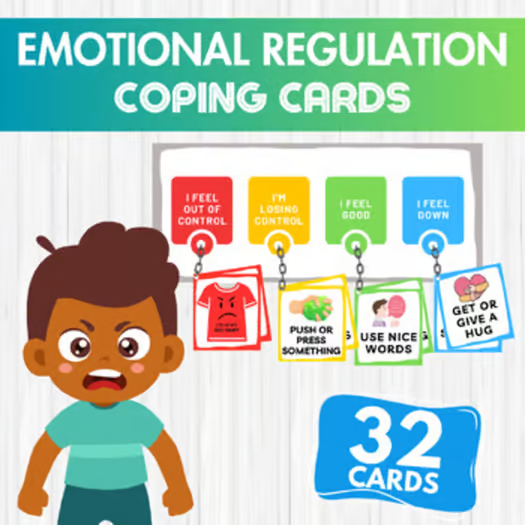
- Emotion thermometers (“red = panic, green = calm”).
- “Check-in” cards every hour; students circle how they feel and pick a coping tool if color is yellow or red.
- Mindfulness timers on tablets for short breathing breaks.
Practical Implementation at Home and School
Creating an Anxiety-Friendly Environment
Home:
- Sensory supports: Noise-canceling headphones, dimmable lights.
- Predictable routines: Visual schedules with pictures for each morning step.
- Safe space: A tent or bean-bag corner where the child can retreat.
School:
- Transition warnings: Countdown timers (“5 minutes until assembly”).
- Visual boundaries: Floor strips to mark personal space in line.
- Calm-down toolkit: Stress balls, picture cue cards, and a hall pass to the sensory room.
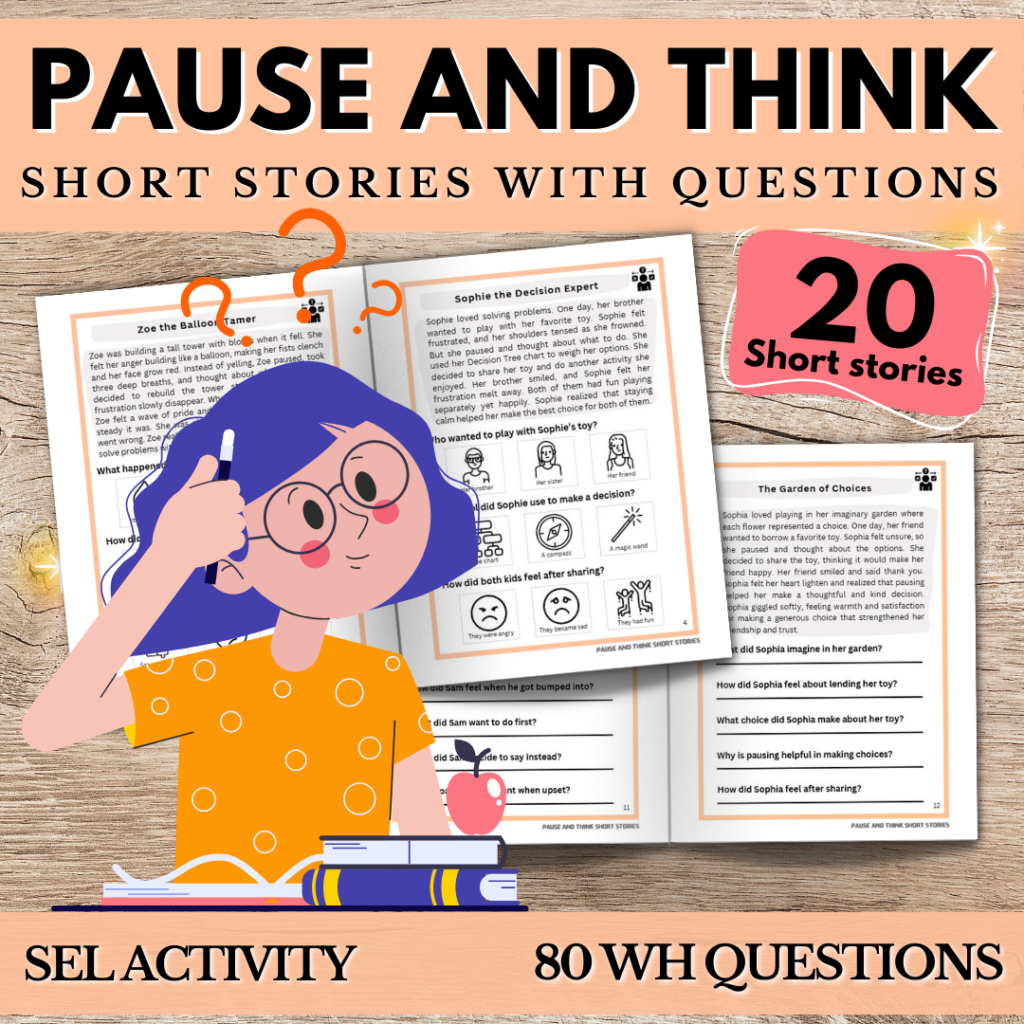
Step-by-Step Home Plan for Parents
- Baseline Data (Week 1)
- Note time, place, and intensity (1–5) of anxious episodes.
- Pick One Target
- Example: Reduce morning school refusal.
- Design Reinforcement System
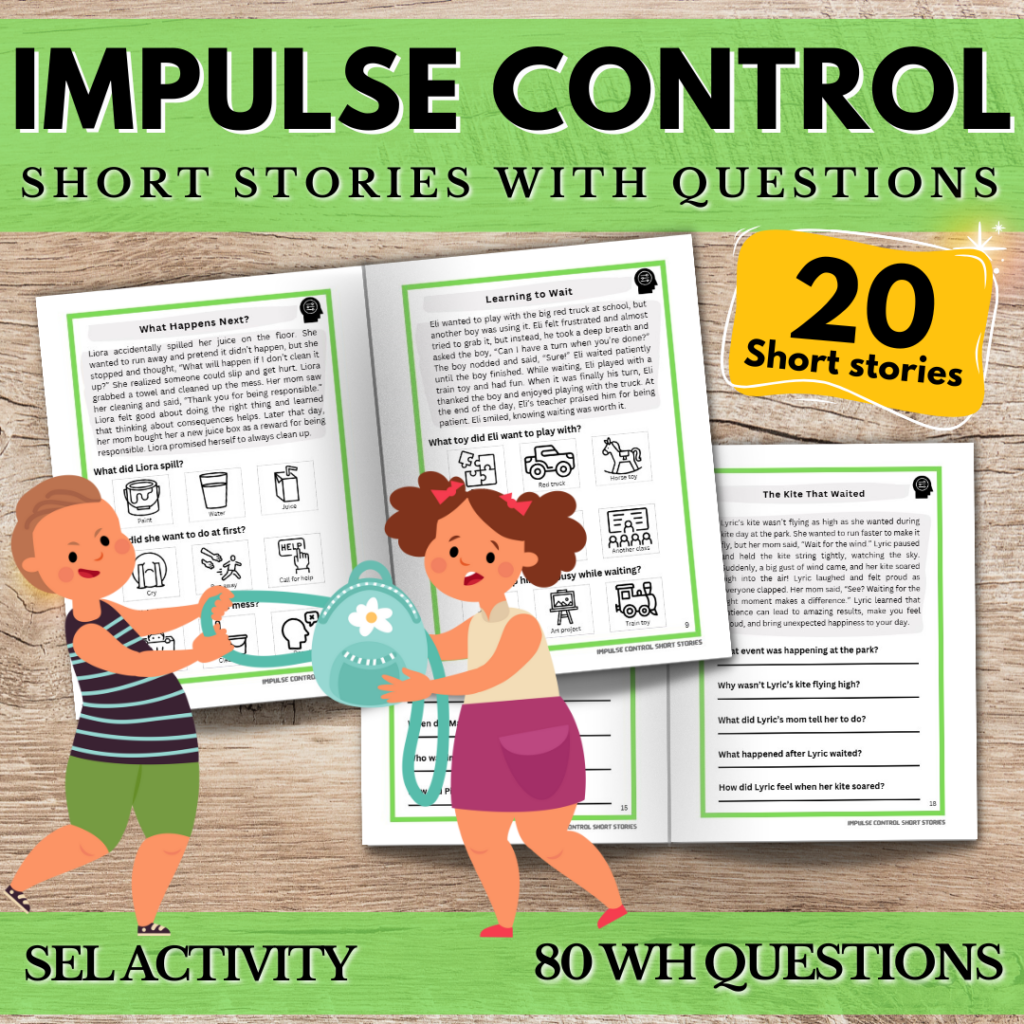
- Token board: five stars = extra 10 minutes of tablet time.
- Teach Coping Skill
- Practice “square breathing” together every evening.
- Implement Graduated Exposure
- Day 1: Sit in car outside school.
- Day 3: Walk to classroom before bell.
- Day 7: Stay 5 minutes after bell.
- Review & Adjust Weekly
Classroom Strategies for Teachers & SLPs
- Behavior Contracts outlining expected behaviors and rewards.
- Peer-Mediated Support: Train buddies to model coping skills and invite the student into games.
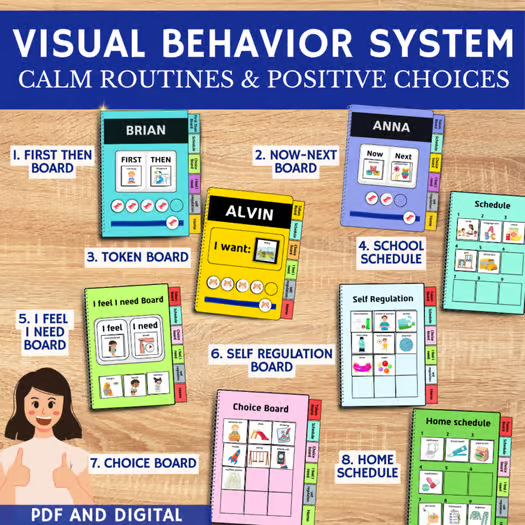
- In-Lesson Visuals: Emoji-based “How am I feeling?” charts that students point to without speaking.
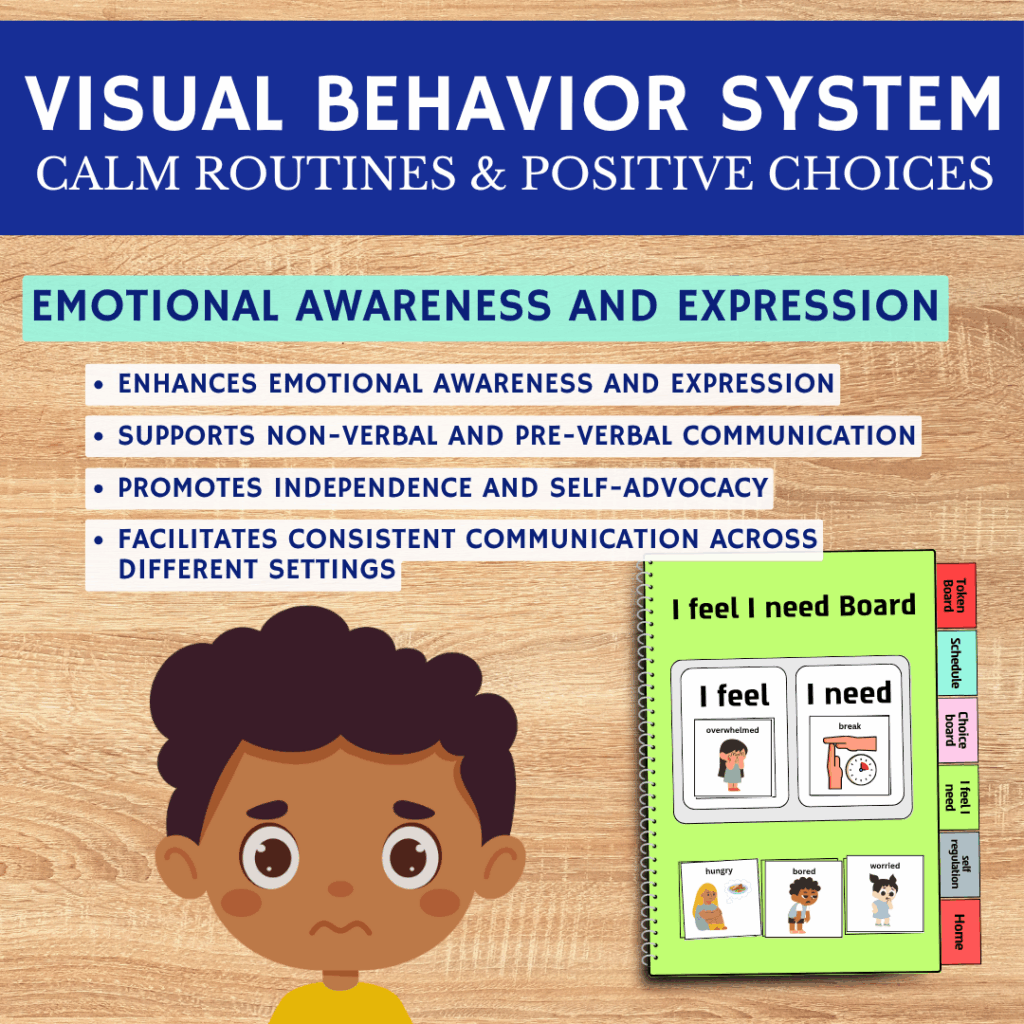
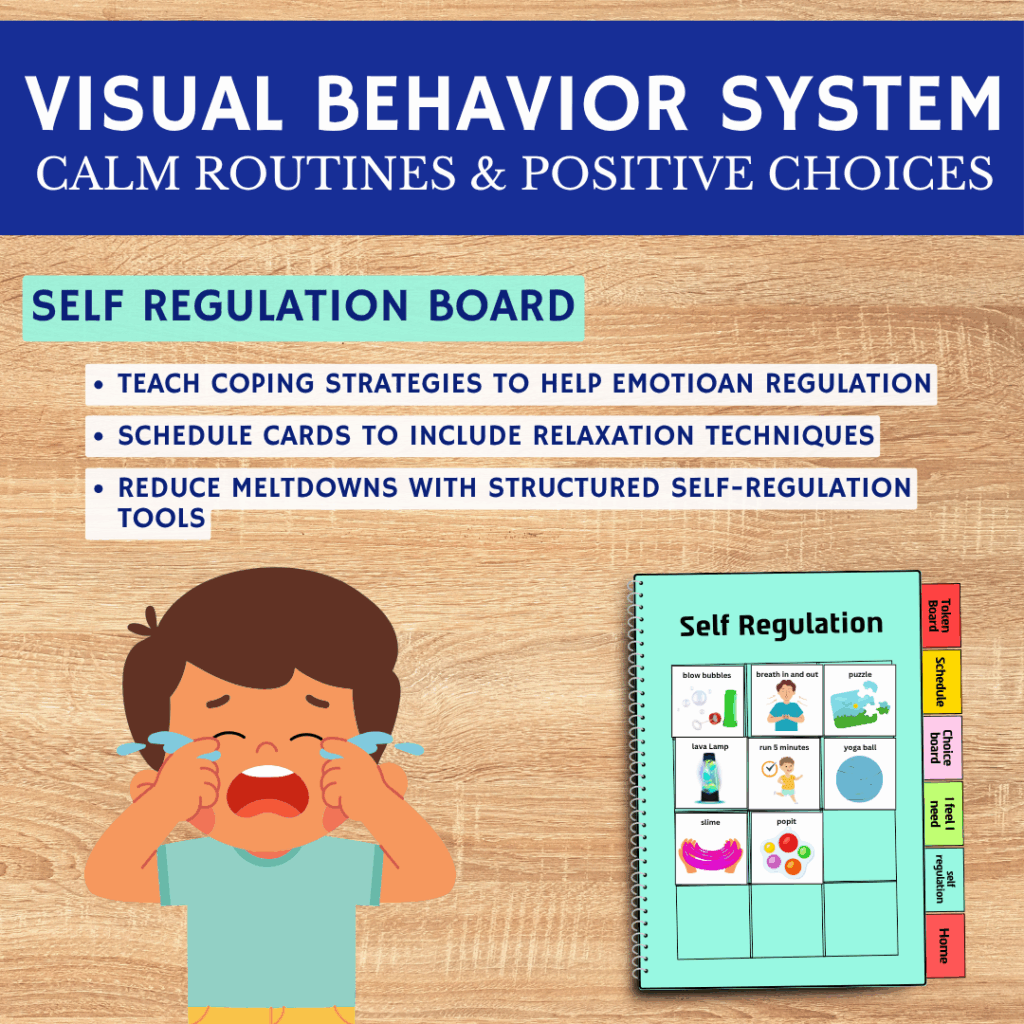
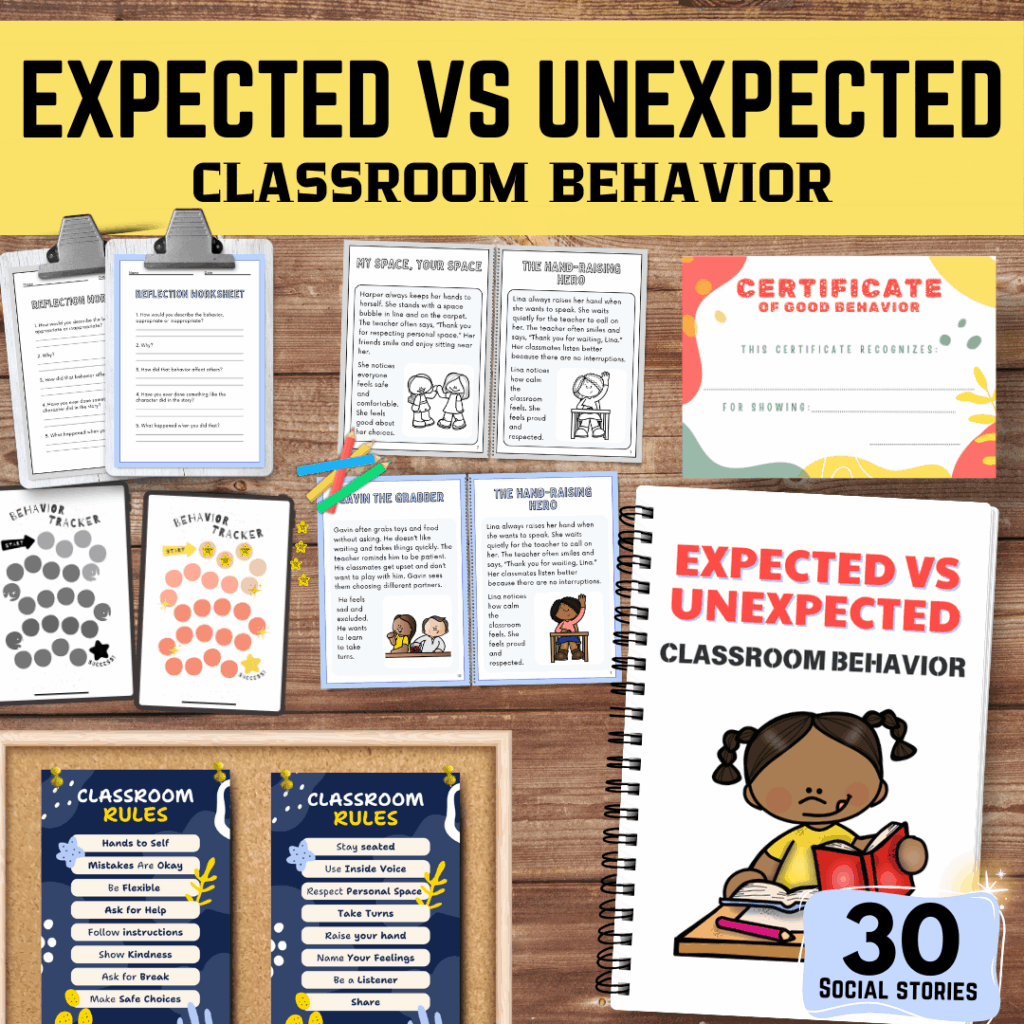
Teachers report that visuals + clear reinforcement = fewer disruptions and more learning time (Simpson, 2019).
Evidence & Success Stories
- A 2019 meta-analysis of 24 trials found autism-adapted CBT cut anxiety symptoms by an average of 60 % (Perihan et al., 2020).
- In a single-subject ABA study, functional communication training reduced escape-driven tantrums during math-block transitions by 80 % in four weeks (Hagopian & Groves, 2021).
- Case vignette: After an FBA showed that the bell was Kai’s trigger, staff used a sound-level ladder and headphone access. Within six weeks, Kai walked into class independently and earned five tokens per day for staying calm.
Common Pitfalls & How to Avoid Them
| Pitfall | Quick Fix |
|---|---|
| Inconsistent reinforcement | Use a shared home–school digital chart so everyone rewards the same behavior. |
| Skipping baseline data | Track for at least five days; otherwise, you can’t measure progress. |
| Ignoring co-occurring conditions | Rule out GI pain, ADHD, or OCD with a pediatrician. Anxiety often overlaps. |
Conclusion & Call to Action
Anxiety isn’t just “bad behavior.” For many children with autism, it’s a neurological storm fueled by sensory overload and uncertainty. The behavioral approach—grounded in data, reinforcement, and skill building—turns that storm into manageable rain.
Start small: Pick one anxious moment, run a quick FBA, teach a replacement skill, and celebrate every calm second. Over time, tiny wins stack into life-changing confidence.
Ready to dive deeper?
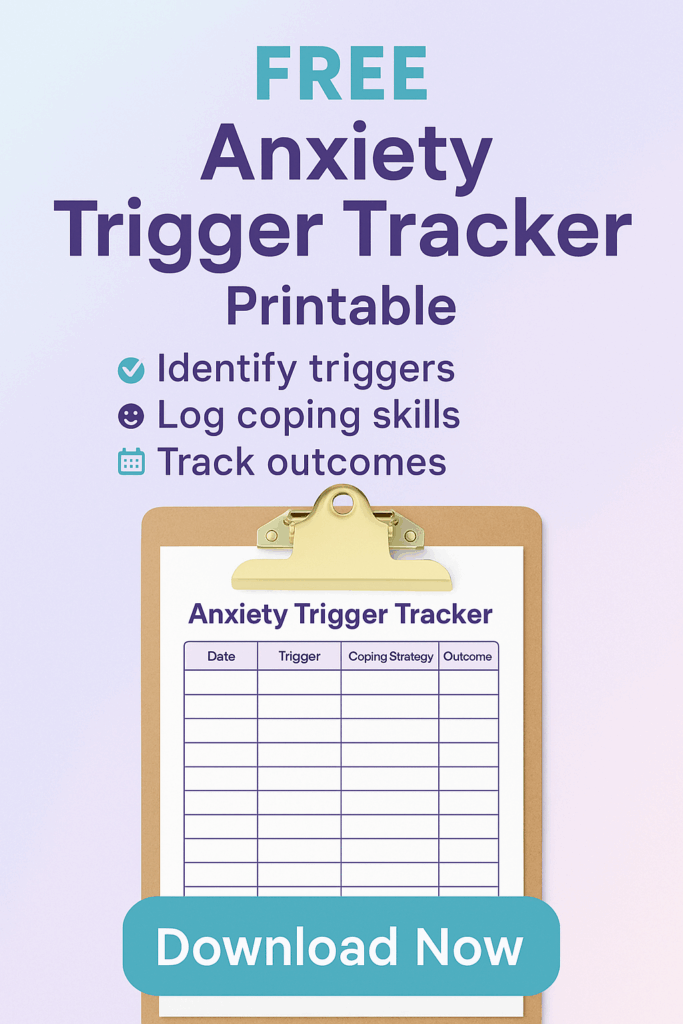
Download our free Anxiety Trigger Tracker to begin your own data-driven plan today. With the right tools and teamwork, every autistic child can learn to face anxiety—and thrive.
References
- American Psychiatric Association. (2013). Diagnostic and statistical manual of mental disorders (5th ed.).
- Boulter, C., Freeston, M., South, M., & Rodgers, J. (2014). Intolerance of uncertainty as a framework for understanding anxiety in children and adolescents with autism spectrum disorders. Journal of Autism and Developmental Disorders, 44(6), 1391–1402.
- Hagopian, L. P., & Groves, E. A. (2021). Functional communication training for escape-maintained behavior in school settings. Behavior Modification, 45(3), 487-509.
- Perihan, C., Burke, M., Bowman-Perrott, L., & Smith, B. (2020). Effects of cognitive behavioral therapy for reducing anxiety in children with autism: A meta-analysis. Journal of Autism and Developmental Disorders, 50, 1958-1972.
- Simpson, K. (2019). Visual supports improve classroom behavior for students with ASD. Intervention in School and Clinic, 55(2), 103-109.
- van Steensel, F. J. A., Bogels, S. M., & Perrin, S. (2017). Anxiety disorders in children and adolescents with autistic spectrum disorders: A meta-analysis. Clinical Child and Family Psychology Review, 14, 302-317.